

What does 2017 hold for the infrastructure industry?

The start of 2017 has seen an exciting time for UK infrastructure, with the Government backing several major projects and talks of an even bigger pipeline that would completely transform the future of the infrastructure industry.

It is believed that within the construction and engineering industry alone, the UK needs at least 400,000 new staff by 2020. However, the skills shortage has reached its highest in 20 years and questions are being asked around whether the UK has access to the right skills and capacity to fill the thousands of jobs that will be created.

With projects such as, Hinkley Point C and HS2 creating 25,000 construction jobs each, this will put an even bigger strain on workers within the industry.

It is clear that the construction industry faces a significant challenge over the coming years – the number of workers joining the sector is not reflecting on the demand, which is leading to a real danger that we won’t have the workers to get the projects built.

Capitalising on transferable skills will be essential for the infrastructure industry. This will help to deal with peaks and troughs during infrastructure projects, as well as identifying ways to upskill other talent pools, allowing workers to transfer their skills to a new industry.

Another way to meet the rising demand of skilled workers in the UK is to increase the number of engineering apprenticeships and graduates; more effort is needed to encourage young people into STEM related subjects.

If you are interested in finding out more about the opportunities available or the additional skills needed to make the move, contact us today on 01489 774 010.


Bid race begins for HS2 stations

HS2 has launched the tender process for the design and development of four railway stations on the high speed rail project.

Contract opportunities have now been announced and the search has started for architects, designers and developers to deliver four new stations worth up to £220m.

The winning bidders will begin work with HS2 on three brand new stations located at Birmingham Curzon Street, Birmingham Interchange and London’s Old Oak Common. As well as these three stations, a spate procurement process will take place for a master development partner for the expansion of London Euston.

Transport Minister Andrew Jones said: “The search for design teams to produce plans for new stations and world-class amenities for London Euston, Old Oak Common, Birmingham Interchange and Birmingham Curzon Street stations is a major step towards making HS2 a catalyst for growth across the country.”

HS2 commercial director Beth West explained: “We’re looking for the brightest and the best from across the industry to help us deliver one of the most tangible legacies of the HS2 project – three brand stations and a major expansion of London Euston.

“All four present unique challenges and opportunities for the winning bidders. Together we will deliver world-class designs that help unlock wider local regeneration opportunities and provide unparalleled levels of accessibility, ease and convenience for the travelling public.”

Bidders for the station designs and the Euston Master Development Partner are expected to be shortlisted in the summer, with contracts signed early next year.

Our expert rail Principal Recruitment Consultant, Carly Fripp states that “this is a really exciting time for the rail industry and its workers. With projects like HS2 progressing rapidly over the next few years, this is the perfect time to look at jobs and progress within all specialties across the rail industry.’’

If you are looking for your next rail job take a lot at our latest jobs or get in contact on 01489 774 010

What is the best CSCS card for me?

When working within the construction industry, CSCS cards are absolutely essential. Whether you are a Labourer, Apprentice, Site Manager or even a Site Visitor there are a variety of CSCS cards available for you. Having the right card can help reduce any possible risks when working on site.

CSCS cards are in place to ensure that each individual working on a construction site has the appropriate qualifications and training to perform their job. There are 12 cards with 12 different colours, each representing a different meaning or job. This ranges from general labouring all the way to experienced site workers. So, which card should you get?

Labourer – Green CSCS Card

The green CSCS card is a basics site skills card, suited for a general labourer. If you are a candidate looking to apply for this card then you must hold a construction qualification or an industry accreditation, i.e. an employer’s recommendation. This card is valid for five years.

Apprentice – Pink

An apprentice CSCS card is for candidates who are undergoing an apprenticeship scheme. To be eligible for this card you must have met your Apprenticeship Managing Agency’s health and safety requirements. This card is valid for up to four years.

Skilled Worker – Blue

To apply for a blue CSCS card you must have achieved a construction related NVQ/SVQ level 2 or have completed an employer sponsored apprenticeship which included the achievement of a City of Guilds of London Institute Craft Certificate. This card is valid for up to five years.

Supervisor – Gold

This card is for candidates who have experience or are involved in a supervisory role. To apply for this card you will have already achieved your SVQ or NVQ level 3.

Manager – Black

To become a Site Manager you will need a black CSCS card. This card is available to managerial occupations that are subject to the achievement of a construction related NVQ/SVQ levels 4 or 5. The Manager CSCS card is valid for up to five years and can be refreshed.

Visitor – Yellow

The yellow regular visitor card is for people who do visit a construction site however do not possess a specific ‘construction’ skill. All applications for this must pass the CITB Operatives Health, Safety and Environment Test.

Once you understand which CSCS card is right for you, you will be able to know what you need to achieve to reach your career goals.

If you are looking for a new role within the construction industry check out our latest vacancies, or give one of our expert consultants a call on 01489 774 010.

Nuclear sector continues to grow in the UK

With 2016’s approval of Hinkley Point C, nuclear has become big on the national agenda. The Government are hailing the £18bn plant in Somerset as a “new era of UK nuclear power”.

The benefits of Hinkely can already been seen with the project creating jobs and boosting skills with currently over 1000 workers on site. It doesn’t stop there as thousands more workers will be required for the project, it is believed that some 25,000 construction jobs alone will be created.

Skills shortage

With the current skills shortage, it seems that demand may be exceeding supply in the engineering skills market, so nuclear will have to ensure they attract the best talent to support its exciting period of growth.

To keep up with the demand in this skills shortage, nuclear may also have to compete with other sectors for workers with specialist skills. Engineers with experience of working in other sectors, for example Ministry of Defence projects or within the utilities sector, possess transferable skills that would make them more than suitable for nuclear projects.

At Highfield we also believe that the promotion of STEM related subjects at schools will help tackle the skills shortage for the long term. There are many different routes into the nuclear sector such as, apprenticeships and degrees, but it is ensuring that the engineers of the future are aware of the possibilities within the industry.

Matt Hamill, Senior Recruitment Consultant at Highfield, explained, “Nuclear is a growing market, with an ever growing workforce.  As the sector grows we are going to have to be resourceful in how to attract candidates and look at bringing in more candidates from overseas.”

With 2017 bringing the start of large, exciting projects, accompanied by investment into the nuclear sector there will plenty of opportunities for engineers of all levels to take. With the sector’s predicted growth however, the industry must work together to promote the projects and career opportunities available to ensure nuclear has the skills required for the future.

World Water Day 2017

World Water Day

World Water Day takes place on 22nd March every year. It is held to take action and tackle the worlds water crisis, with a target to make sure everyone on the planet has access to safe water by 2030. This year’s World Water Day theme is ‘Why waste water?’ and is focused around reducing and reusing waste water.

Shocking facts about waste water

  • Today, 1.8 billion people use a source of drinking water contaminated with faeces, putting them at risk of contracting cholera, dysentery, typhoid and polio.
  • Over 80% of wastewater produced is pumped back in the ecosystem without being treated or reused.
  • It is believed that unsafe water and poor sanitation kills 842,000 people every year
  • Water, sanitation and hygiene could prevent 9.1% of the global disease burden – and an estimated 6.3% of all deaths.
  • According to the USGS, the average person uses up to 100 gallons of water per day. 95% of this goes down the drain – meaning each person wastes between 76-95 gallons every day.
  • Despite most of the planet being covered by water, most of it is not available for human use. If the Earth’s water fitted into a four litre jug, just one tablespoon would be available freshwater.

One of the targets set out in the Sustainable Development goals is to “improve water quality by reducing pollution, eliminating dumping and minimising release of hazardous chemicals and materials, halving the proportion of untreated wastewater and substantially increasing recycling and safe reuse globally”.

Because of population growth, the amount of wastewater being generated has dramatically increased, so how can you help reduce waste water?

The UN suggests taking the following steps;

  • Turn off the tap while you’re brushing your teeth
  • Turn off the tap while washing up or scrubbing vegetables.
  • Put rubbish, oils, chemicals and food in the bin, not down the drain. The dirtier your wastewater, the more energy and money it costs to treat it.
  • Collect used water from your kitchen sink or bath and use it to water your plants
  • You can also collect and use this water to wash your bike or car.

Instead of wasting wastewater, we need to reduce and reuse it. In our homes, we can reuse greywater on our gardens and plots. Through these small changes we can help reduce the proportion of untreated wastewater and increase water recycling and sage reuse.

£3.5billion theme park set for Britain

Britain is set to get a £3.5 billion mega park that has been described as the UK’s rival to Disneyland. London Paramount will be built near Dartford in Kent and will cover 872 acres of land.

London

The impressive theme park will be home to more than 50 rides, a 2,000 seat theatre and even its own nightclub. If there are no delays London Paramount is set to be open by 2022.

Initially London Paramount was met with opposition from companies within the industrial estate that will need to be cleared to house the tourist attraction. However, following meetings with local residents last year, construction is on track to begin in 2018.

Fenlon Dunphy, chief financial officer of the company, said to the Western Daily Express: ‘This is going to have a hugely significant impact on the economy – we will dovetail into a lot of the other attractions in the area. It will be a game changer for much of Kent.’

UK Government and local councils fully support the plans, with the former making it the first commercial venture in the UK to be awarded Nationally Significant Infrastructure Project (NSIP status)  “Truly successful theme parks generate a lot of tax revenue, jobs and growth for cities around the world”, says Josh Young, owner of the website Theme Park University. “Many times, governments will kick in extra revenue to provide the infrastructure (or part of it) needed to get the park open because they feel they will get it back in taxes once the park opens.”

It is believed that the resort will create around 27,000 jobs in the area and boost tourism to other attractions on the outskirts of London. During peak construction of the park construction jobs will hit 6,300.

This is an exciting project for the construction industry and for the UK and looks like it is set to boost the economy.

5 Must See Movies Featuring Impressive Architecture

Films and architecture have always had a close bond due to the way the architecture can have such a strong impact and the atmosphere and tone of the film. Here we have compiled a list of our top 5 must see movies that feature some very impressive architecture.

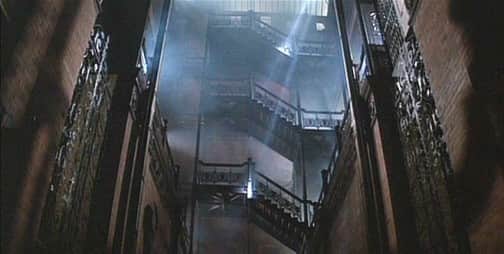
The Bradbury Building – Blade Runner

movie architecture

Of all the imagery in Ridley Scott’s 1982 hit film, Blade Runner, the Bradbury Building transformed as a post-apocalyptic apartment building takes centre stage. The rundown building in downtown LA sets the scene perfectly for this sci-fi noir classic.

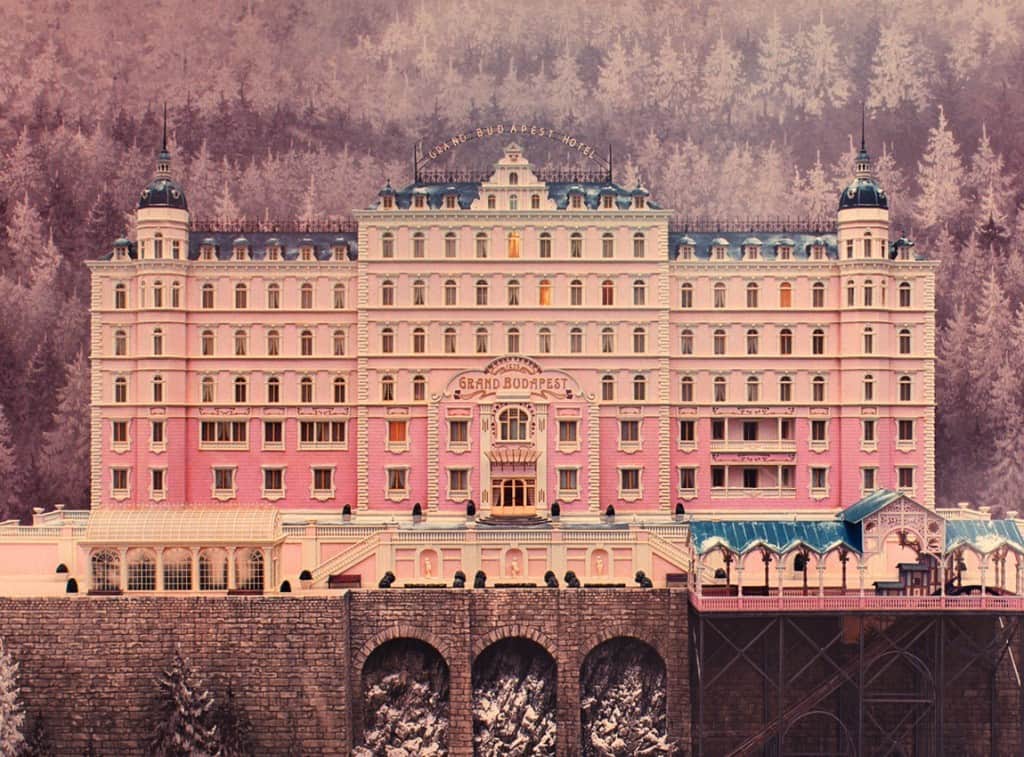
The Palace Bristol Hotel – The Grand Budapest Hotel

architecture movie

Crucial to the film’s success was the set design, the visual aesthetic and the architecture supplied by the Palace Bristol Hotel which served as the inspiration for Anderson’s Budapest Hotel.

The Elrod House – Diamonds are Forever

james bond architecture

The Elrod House is a classic example of the architecture representing the nature and personality of the character who lives there. Sleek, modern and exciting, this Palm Springs home makes the perfect evil lair.

The Dakota – Rosemary’s Baby

architecture movie

The Dakota on the Upper West Side sets the stage for the horror as the film opens with aerial footage of the building’s Gothic architecture.


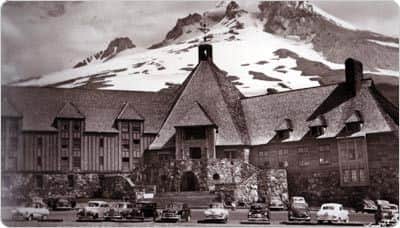
The Timberline Lodge – The Shining

movie architecture

One of the most imposing and memorable movie locations, repeatedly cited as a character in and of itself, would have to be the Overlook Hotel, setting of Stanley Kubrick’s adaptation of The Shining. The architecture of The Timberline Lodge fully set the scene for this gruesome horror.

National Apprenticeship Week

The Recruitment & Employment Confederation has announced that there are now 1000 people engaged in a recruitment apprenticeship. Here at Highfield we are delighted to celebrate National Apprenticeship Week, and to say that we fully invest in the training and development of our employees.

Apprenticeships in recruitment are helping to professionalise the industry and enabling us to support and help people to join an industry that can transform lives.

One of our success stories, Ben Smith, has now finished his apprenticeship and is working as a Recruitment Consultant within Highfield. The apprenticeship allowed Ben to gain the level of knowledge and experience needed to progress within the industry.

“An apprenticeship is definitely worth doing so you can learn more about your industry and progress within your company. I have now been working with Highfield for 3 years and have successfully completed my apprenticeship and gained several recruitment qualifications. The apprenticeship has allowed me to succeed in a career I really enjoy.”

Government data shows that apprenticeships are now available in 1,500 different job roles, covering over 170 industries. On average, it is said that apprenticeships boost productivity to business by £214 per week. It is exciting to see the growth and benefits of apprenticeships, especially within the recruitment industry.


Best Buildings in London

Cities are defined by their iconic skylines and London is no exception. London is renowned for some of the world’s most striking modern architecture. From old to new, traditional to contemporary, art deco to gothic and many styles in between, there are hundreds of great buildings in the city.

We’ve compiled a list of our favourite architecture in the capital, that are more than worth admiring.


The British Museum

British Museum

One of the world’s greatest and oldest museums, The British Museum, designed by Normal Foster, is sure to make jaws drop.

The Gherkin

Gherkin

30 St Mary Axe, more commonly known as The Gherkin, is one of London’s most famous skyscrapers and has rapidly become synonymous with twenty-first-century London.

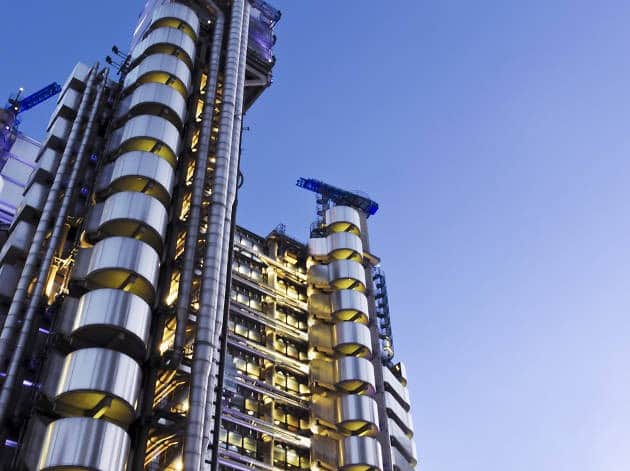
The Lloyd’s Building

Lloyd's Building

Now more than 25 years old, the Lloyd’s Building can be described as “office architecture from out of space”. Steel pipes, ducts and towers protrude the structure making it stand out around the city.

St Paul’s Cathedral

st paul's cathedral

A beautiful presence within London’s skyline that has been around since 1710, showcasing world class classical architecture.


The Shard

The Shard

The Shard is one of London’s most famous skyscrapers. Renzo Piano, its designer, is said to have been inspired by London’s railway lines.

What is your favourite building in London? We would love to know! Drop us a tweet @highfieldrec and share your thoughts on the architecture across London’s famous skyline.

What will the new retail market mean for the water sector?

From April 2017, non-household water customers within England and Wales will have the power to choose who supplies their water. This means around 1.2 million businesses, public sector organisations and charities will have more power over their water. This change will provide huge economic and environmental benefits, as well as customers being able to shop around for the best value for money.

The introduction of the new water retail market will also open new entrants within the water sector. New players and existing water companies can apply to Ofwat for a licence to provide retail water services. Certain larger organisations will also be able to effectively become their own ‘retailer’ and self supply their own sites and companies in the same group with retail services. However, they would not be able to provide retail services to other non-household customers.

New players can already be seen entering the market. From 1st April 2016 Portsmouth water introduced Castle Water. Castle Water provide non-household retail services on its behalf, with the intention that Castle Water will compete in the market from April 2017. Severn Trent and United Utilities are also set to combine their non-household retail activities, which will “make them more effective in the competitive market”.

It is predicted that by 2020 we can see the sector to not only have increased competition within the retail market for businesses and potentially residential customers, but also have markets in water resources, sludge treatment and disposal.

It is an exciting time for the water industry and these new models could lead to transformation within the industry.

If you are looking for jobs within the water industry, then get in touch with our expert consultants today on 01489 774 010.

Highfield are a Certified Carbon Neutral Business

Submit a Vacancy

Need to hire BIM talent? Complete this form and a member of the team will be in touch.

"*" indicates required fields